
How to Sell POS Systems: A Complete Guide for Pakistani Businesses
The retail and hospitality landscapes in Pakistan are evolving rapidly. With technology playing an increasingly central role, point-of-sale (POS) systems have become essential tools for businesses looking to streamline operations, manage inventory, and deliver superior customer experiences. But Selling POS systems effectively, especially in Pakistan, requires more than demonstrating hardware or listing features. It demands an understanding of buyer behavior, market dynamics, and strategic sales techniques tailored for local businesses.
In this guide, we’ll explore how to sell POS systems successfully in Pakistan, offering insights for sales teams, business owners, and entrepreneurs. Whether you’re targeting restaurants in Lahore, retail chains in Karachi, or online merchants nationwide, this guide covers strategies, best practices, and tips for maximizing conversions and closing deals efficiently.
Understanding the Modern POS Market in Pakistan
The Shift in Buyer Expectations
The Pakistani POS market is no longer just about cash registers or receipt printers. Buyers now expect solutions that integrate seamlessly with their business operations. Some of the key expectations include:
- Mobile-friendly demos: Owners want to see the POS system in action via smartphones or tablets.
- Software integrations: The ability to sync with accounting tools, ERP systems, e-commerce platforms, and delivery apps is a major deciding factor.
- Quick decision-making: Small and medium-sized businesses prefer fast onboarding and minimal complexity.
- ROI clarity: Buyers are focused on measurable results like faster transactions, reduced errors, and improved customer satisfaction.
These expectations mean that POS sales strategies in Pakistan must be consultative, benefit-oriented, and adaptive to multiple business types.
Why Selling POS Systems Is Different in Pakistan
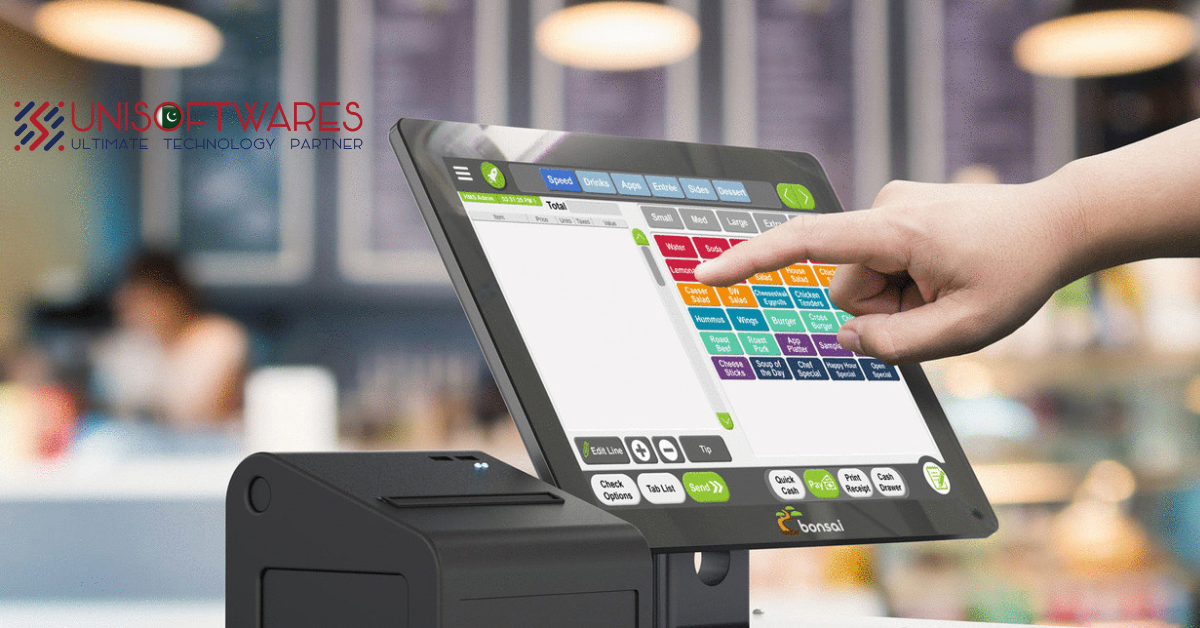
Selling POS systems in Pakistan comes with unique challenges and opportunities:
- Multiple stakeholders: Even small businesses often involve owners, accountants, and managers in purchasing decisions.
- Budget constraints: Many businesses are cost-conscious, making it crucial to clearly communicate value versus price.
- Regional preferences: Businesses in Lahore may have different operational needs than those in Karachi or Islamabad, requiring tailored demonstrations.
- Technology adoption rates: While urban centers embrace cloud-based and mobile POS solutions, rural areas may still rely on simpler, offline systems.
Understanding these dynamics is essential for any POS salesperson looking to penetrate the Pakistani market.
Key Strategies to Sell POS Systems in Pakistan
Selling POS systems successfully requires a structured approach that goes beyond basic demos. By understanding your customers’ needs, highlighting real business benefits, and streamlining the sales process, your team can close more deals efficiently. The following steps outline a proven framework for targeting Pakistani businesses, from small shops in Lahore to multi-location restaurants in Karachi.
Step 1: Define Your Ideal Customer Profile (ICP)
Before you even pick up the phone or schedule a demo, you need a clear picture of your target customer. An Ideal Customer Profile (ICP) helps sales teams focus on prospects most likely to convert. Key elements of a Pakistani ICP include:
- Industry type: Restaurants, cafes, retail shops, supermarkets, or service businesses.
- Business size: Small, medium, or multi-location chains.
- Location: Cities like Lahore, Karachi, and Islamabad, or smaller towns with specific POS needs.
- Budget range: Understanding typical investment levels for hardware, software, and service bundles.
- Pain points: Inefficient transactions, inventory mismanagement, or lack of integrated reporting.
Creating a detailed ICP allows your sales team to prioritize leads and spend time on high-potential prospects, increasing overall conversion rates.
Step 2: Know Your POS System Requirements
Not all businesses need the same POS setup. In Pakistan, POS requirements vary significantly depending on the environment:
- Restaurants and cafes: Handheld devices, table-side ordering, kitchen display systems.
- Retail shops: Barcode scanners, inventory tracking, loyalty program integration.
- E-commerce sellers: Cloud-based POS that syncs with online marketplaces and delivery apps.
By understanding these requirements, sales reps can tailor presentations to highlight how the system meets specific operational needs. This approach shifts the conversation from generic features to practical business benefits.
Step 3: Lead With Benefits, Not Features
One of the biggest mistakes in POS sales is focusing on technical specifications instead of business outcomes. Customers care about how a system improves their operations, not whether it has a 15-inch screen or a receipt printer. Benefits to emphasize in Pakistan:
- Time savings: Faster checkout reduces queues and improves customer satisfaction.
- Accuracy: Automatic inventory tracking prevents stockouts and errors.
- Scalability: Systems that grow with the business, supporting multiple outlets or locations.
- Integration: Ability to connect with accounting software, delivery apps, and e-commerce platforms.
Framing your pitch around benefits ensures your prospects see the POS system as a solution, not just a piece of hardware.
Step 4: Identify Gaps in Legacy Systems
Many businesses in Pakistan are using outdated POS systems or manual cash registers. These legacy systems often have gaps, such as:
- Poor reporting and analytics
- Incompatibility with modern e-commerce platforms
- Limited inventory and loyalty management
Sales reps can position new POS solutions as the answer to these challenges, emphasizing efficiency gains and long-term cost savings.
Step 5: Bundle Services for Added Value
Bundling services and hardware is an effective strategy to boost sales and simplify the customer experience. For example, a complete package might include:
- POS hardware
- Cloud-based software
- Wi-Fi setup
- Payment processing
- Loyalty programs
- Kiosk support
Bundling reduces the complexity of working with multiple vendors and positions your company as a one-stop solution for businesses in Pakistan.
Step 6: Adopt a Multi-Channel Sales Approach
Relying solely on in-person visits is no longer sufficient. Pakistani businesses have diverse communication preferences. A multichannel approach might include:
- In-person demos for larger or multi-location clients
- Phone consultations for initial inquiries
- Email campaigns with case studies or ROI reports
- Social media outreach to build awareness
- WhatsApp demos for quick, mobile-friendly demonstrations
Using multiple channels ensures prospects are reached in the way they prefer, improving engagement and conversion rates.
Step 7: Set Performance and Activity Goals
Sales teams need clear benchmarks to track progress. In Pakistan, this could mean:
- Number of demo requests scheduled per week
- Lead conversion rate targets
- Follow-up frequency with qualified leads
- Number of multi-channel touchpoints per prospect
Setting measurable goals helps teams stay accountable and optimize sales strategies over time.
Step 8: Leverage Automation for Efficiency
Automation allows POS sales teams to focus on high-value interactions by reducing repetitive tasks. Examples include:
- Lead scoring: Prioritize prospects most likely to convert.
- Follow-up reminders: Automated emails or WhatsApp messages to stay top-of-mind.
- CRM integration: Centralized tracking of sales activities and customer interactions.
Automation not only speeds up the sales cycle but also enhances accuracy and customer experience.
Step 9: Assist and Serve Throughout the Process
Customer service is a powerful sales tool. Supporting prospects during the evaluation phase builds trust and can tip the decision in your favor. Consider:
- Offering installation support and training manuals
- Providing trial periods or guided walkthroughs
- Sharing business growth tips or insights via email
- Ensuring your team is always available for questions
This service-oriented approach demonstrates commitment and reliability, key factors for Pakistani businesses evaluating POS solutions.
Step 10: Closing the Sale
Closing a POS sale in Pakistan requires a combination of speed, clarity, and reassurance:
- Provide transparent pricing: Include setup costs, subscription fees, and any optional add-ons.
- Highlight success stories: Show examples of similar businesses that have benefited from your POS system.
- Simplify onboarding: Ensure the business knows how quickly they can go live and start using the system effectively.
By addressing objections early and providing clear next steps, reps can shorten the sales cycle and increase closing rates.
Unisoftwares Pakistan: Your Trusted POS Solutions Partner
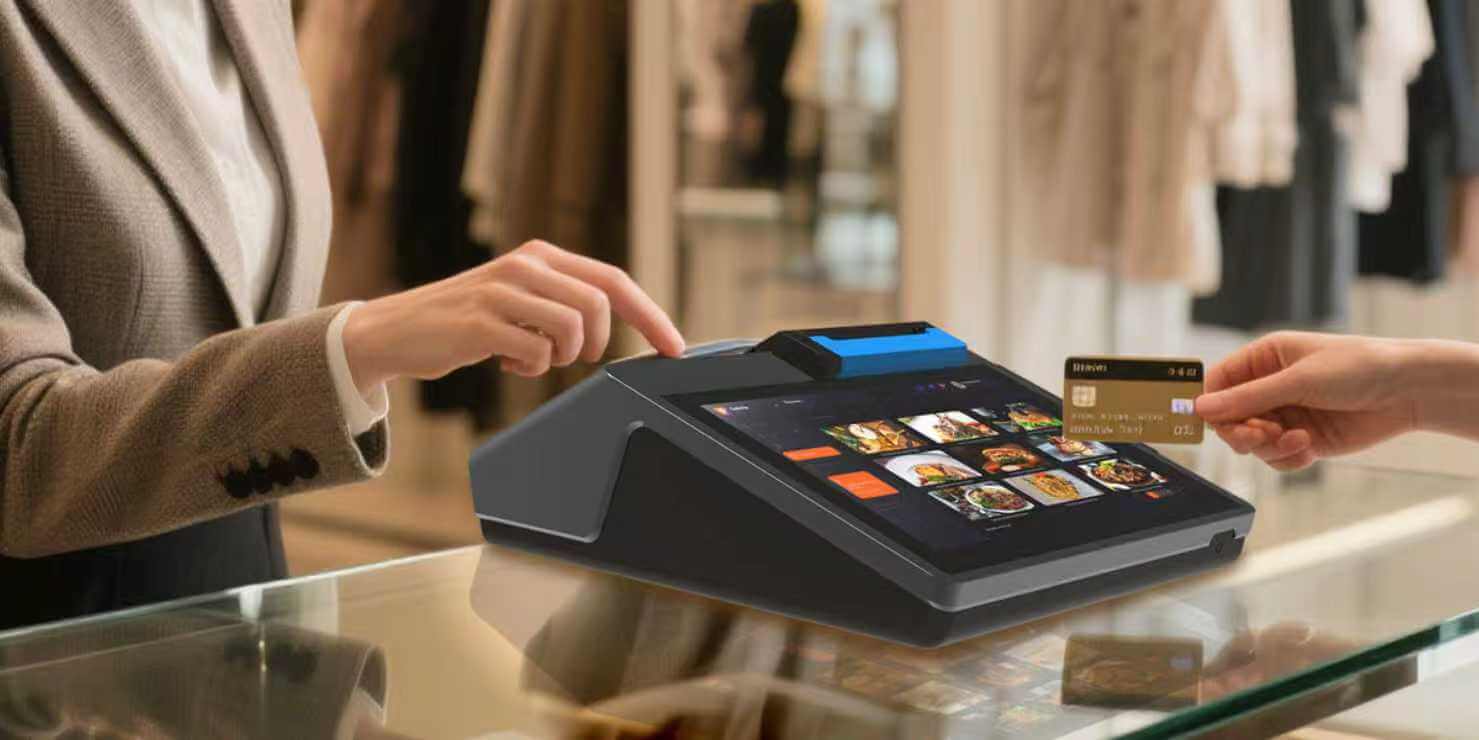
If you’re looking for a modern, reliable, and easy-to-use POS system in Pakistan, Unisoftwares Pakistan is here to make your business life simpler. Whether you run a restaurant, a retail shop, a shoe store, a pharmacy, or an online store, Unisoftwares brings together hardware, software, and support, all in one seamless solution.
Why so many Pakistani businesses trust Unisoftwares Pakistan:
- Complete POS Packages: From touchscreen terminals and handheld devices to cloud-based software, payment integrations, and loyalty programs, everything is bundled so you don’t have to juggle multiple vendors.
- Local Know-How: With deep experience in Pakistan’s market, Unisoftwares designs systems that truly fit the needs of businesses in Lahore, Karachi, Islamabad, and beyond.
- Smooth Integrations: Easily connect with your accounting software, ERP systems, online stores, and delivery apps to save time and keep operations running smoothly.
- Dependable Support: From installation to training and ongoing help, the team ensures you’re up and running quickly and confidently.
- Fair Pricing: With competitive POS system prices in Pakistan, Unisoftwares makes it possible for small and medium businesses to get top-quality technology without breaking the budget.
Choosing Unisoftwares is about partnering with a company that’s committed to helping local businesses succeed.
Frequently Asked Questions (FAQ)
POS system prices in Pakistan vary depending on features and hardware. Basic packages can start around PKR 25,000, while comprehensive bundles with software, hardware, and services can exceed PKR 150,000.
- Focus on local market dynamics.
- Offer mobile demos via WhatsApp.
- Highlight integrations with e-commerce platforms used locally.
- Showcase success stories of Lahore-based businesses.
Yes. Selling POS systems online is increasingly common. Use digital demos, social media marketing, email campaigns, and online payment options to attract remote prospects.
The “best” software depends on business needs. Look for cloud-based solutions that offer inventory management, loyalty programs, accounting integrations, and multi-device support.
POS software can be purchased from authorized resellers, such as Unisoftwares Pakistan. As bet service provider, we offer installation, support, and training.
Unisoftwares Pakistan is one of the most reliable POS companies in Pakistan. We offer comprehensive solutions including hardware, software, training, and ongoing support.
Conclusion
Selling POS systems in Pakistan today is about more than hardware demos or technical specifications. Success requires understanding buyer behavior, tailoring solutions to local business needs, and demonstrating clear business value.
By defining your ideal customer, highlighting benefits over features, bundling services, leveraging multichannel outreach, and providing exceptional support, sales teams can close deals faster and build long-term relationships with Pakistani businesses.
Whether you’re aiming to sell POS systems in Lahore, Karachi, or online across Pakistan, these strategies will help your team convert prospects, maximize ROI, and grow your POS business sustainably.
If you’re ready to upgrade your business with a reliable POS solution, contact us today to get a customized demo and pricing plan tailored to your needs.
